Bo-Beshallach: Gathering Tzaddikim For a Greater Elevation

Bo-Beshallach: Gathering Tzaddikim For a Greater Elevation

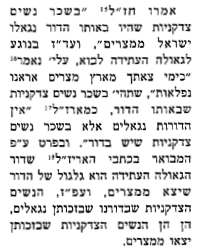
It is brought in the writings of the Arizal that the generation of the future Geuloh is a gilgul (reincarnation) of the generation that came out of Egypt, and according to this, we are redeemed in the merit of the righteous women in our generation, for they themselves are the righteous women in whose merit we came out of Egypt.

What makes our generation special?  It is rooted in Nosi Hador, the leader of the generation:

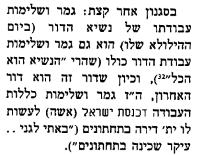
The completion and perfection of the avodah (spiritual mission) of the Nosi Hador (on his Yom Hahillula [day of his passing –Yud Shevat]) is the completion and perfection of the avodah of the entire generation (for “the Nosi is everything” [Rashi on Chukas 21:21]), and since this generation is the final generation, then this is the completion and perfection of all of the avodah of Knesses Yisroel (woman) to make a dwelling place down below for Hashem, may He be blessed.

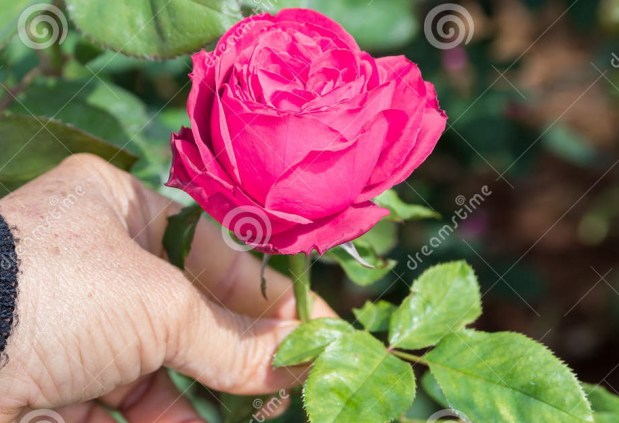
This relates to the concept of the “disappearance (סלוק) of Tzaddikim” (yahrzeit and Hillula) upon the completion and perfection of their avodah, as the verse states “My beloved went down to his garden…to collect roses”, upon which the Midrash expounds: “to hide away (לסלק) the Tzaddikim that are among Yisroel” (which means that they have completed their souls through Torah and Mitzvos [commentaries “Yafeh Kol” and “Yadei Moshe” on this midrash]). More importantly: this “disappearance” (“סלוק”) is for a much greater elevation (incomparably so) which will be in the world of the resurrection, “those who dwell in the dust arise and sing”, and the Tzaddikim (the “roses”) at their head, souls in bodies in this physical world, in the true and complete Geulah.

The Rebbe proceeds to mention the inyan of Continue reading
Bo 5752: G-dliness Revealed Without Histalkus

Bo 5752: G-dliness Revealed Without Histalkus

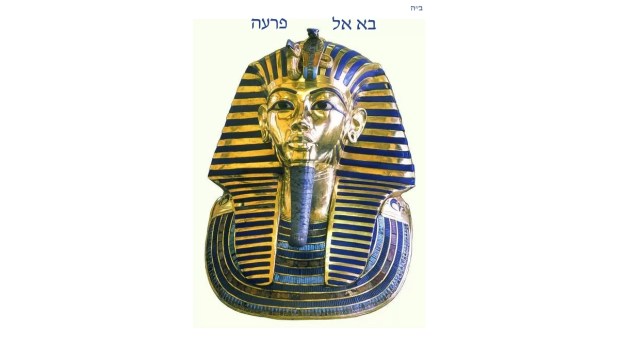
Our parsha begins with Hashem’s instruction to Moshe Rabbeinu “Come to Pharaoh”.  The question is asked: why “come to Pharaoh” and not “go to Pharaoh” (as stated in other verses)?  Furthermore, being that the Torah is eternal, what is the relevance of going to Pharaoh, King of Egypt, when we are standing at the end of golus — long after Egypt was rendered helpless and nothing remains of Pharaoh — at a time when the birurim of the klipah of Pharaoh are finished (as mentioned many times)?

CONFRONTING PHARAOH

The commentaries explain that Moshe Rabbeinu was afraid to go to the inner chambers of Pharaoh, and therefore Hashem said “Come [with Me] to Pharaoh” to ease Moshe’s fear of confronting Pharaoh alone.

However, our question becomes stronger when we learn, based on the Zohar, that the evil Pharaoh that we encountered in Egypt has his source in the “Pharaoh of kedusha (holiness)”, which refers to the revelation of G-dliness.  Why was Moshe afraid to go to the Pharoah of holiness, so much so that he needed a direct command from Hashem to “come” together with Hashem?! Continue reading

Bo-Beshallach, 5752: Gathering Tzaddikim For a Greater Elevation

Bo-Beshallach, 5752: Gathering Tzaddikim For a Greater Elevation

tmp_9129-BBsh_011603882386It is brought in the writings of the Arizal that the generation of the future Geuloh is a gilgul (reincarnation) of the generation that came out of Egypt, and according to this, we are redeemed in the merit of the righteous women in our generation, for they themselves are the righteous women in whose merit we came out of Egypt.

What makes our generation special?  It is rooted in Nosi Hador, the leader of the generation:

tmp_9129-BBsh_02-1548525365The completion and perfection of the avodah (spiritual mission) of the Nosi Hador (on his Yom Hahillula [day of his passing –Yud Shevat]) is the completion and perfection of the avodah of the entire generation (for “the Nosi is everything” [Rashi on Chukas 21:21]), and since this generation is the final generation, then this is the completion and perfection of all of the avodah of Knesses Yisroel (woman) to make a dwelling place down below for Hashem, may He be blessed.

This relates to the concept of the “disappearance (סלוק) of Tzaddikim” (yahrzeit and Hillula) upon the completion and perfection of their avodah, as the verse states “My beloved went down to his garden…to collect roses”, upon which the Midrash expounds: “to hide away (לסלק) the Tzaddikim that are among Yisroel” (which means that they have completed their souls through Torah and Mitzvos [commentaries “Yafeh Kol” and “Yadei Moshe” on this midrash]). More importantly: this “disappearance” (“סלוק”) is for a much greater elevation (incomparably so) which will be in the world of the resurrection, “those who dwell in the dust arise and sing”, and the Tzaddikim (the “roses”) at their head, souls in bodies in this physical world, in the true and complete Geulah.

The Rebbe proceeds to mention the inyan of Continue reading
Bo 5752: G-dliness Revealed Without Histalkus

Bo 5752: G-dliness Revealed Without Histalkus

Our parsha begins with Hashem’s instruction to Moshe Rabbeinu “Come to Pharaoh”.  The question is asked: why “come to Pharaoh” and not “go to Pharaoh” (as stated in other verses)?  Furthermore, being that the Torah is eternal, what is the relevance of going to Pharaoh, King of Egypt, when we are standing at the end of golus — long after Egypt was rendered helpless and nothing remains of Pharaoh — at a time when the birurim of the klipah of Pharaoh are finished (as mentioned many times)?

CONFRONTING PHARAOH

The commentaries explain that Moshe Rabbeinu was afraid to go to the inner chambers of Pharaoh, and therefore Hashem said “Come [with Me] to Pharaoh” to ease Moshe’s fear of confronting Pharaoh alone.

However, our question becomes stronger when we learn, based on the Zohar, that the evil Pharaoh that we encountered in Egypt has his source in the “Pharaoh of kedusha (holiness)”, which refers to the revelation of G-dliness.  Why was Moshe afraid to go to the Pharoah of holiness, so much so that he needed a direct command from Hashem to “come” together with Hashem?! Continue reading